Types of Industrial Sensors: Working Principles, Applications, and Engineering Examples
Industrial sensors are essential components of modern automation, process control, and smart manufacturing systems. They convert physical parameters such as temperature, pressure, level, flow, position, light, speed, force, and weight into measurable signals that can be monitored and processed by PLCs, DCS systems, industrial computers, and other control equipment.
Different sensor types are designed for different measurement purposes, operating conditions, accuracy requirements, and installation environments. Selecting the right industrial sensor is not only important for measurement accuracy but also for process stability, equipment safety, production efficiency, and maintenance costs.
This guide introduces eight common types of industrial sensors, explaining how they work, where they are used, and how they perform in practical engineering applications.
Direct Answer: What Are the Main Types of Industrial Sensors?
The main types of industrial sensors include temperature sensors, pressure sensors, level sensors, flow sensors, position and proximity sensors, light sensors, speed and motion sensors, and force and weight sensors.
Each sensor is designed to detect a specific physical parameter and convert it into an electrical or digital signal for industrial monitoring, measurement, automation, or control.
Key Takeaways
- Temperature sensors measure the thermal conditions of liquids, gases, equipment, and industrial processes.
- Pressure sensors monitor the pressure of fluids in pipelines, tanks, hydraulic systems, and pneumatic equipment.
- Level sensors detect or continuously measure the level of liquids and solids inside tanks, vessels, and silos.
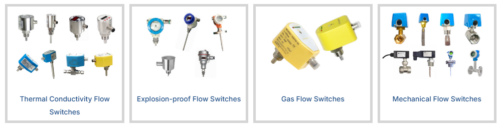
- Flow sensors measure the flow rate of liquids and gases for process control, consumption monitoring, and metering.
- Position, proximity, light, and motion sensors support object detection, machine positioning, speed monitoring, and automation.
- Force and weight sensors, such as load cells, are widely used in industrial weighing, material handling, and batch control.
- The right sensor should be selected according to the measurement target, operating conditions, required accuracy, output signal, installation environment, and control system.
1. Temperature Sensors
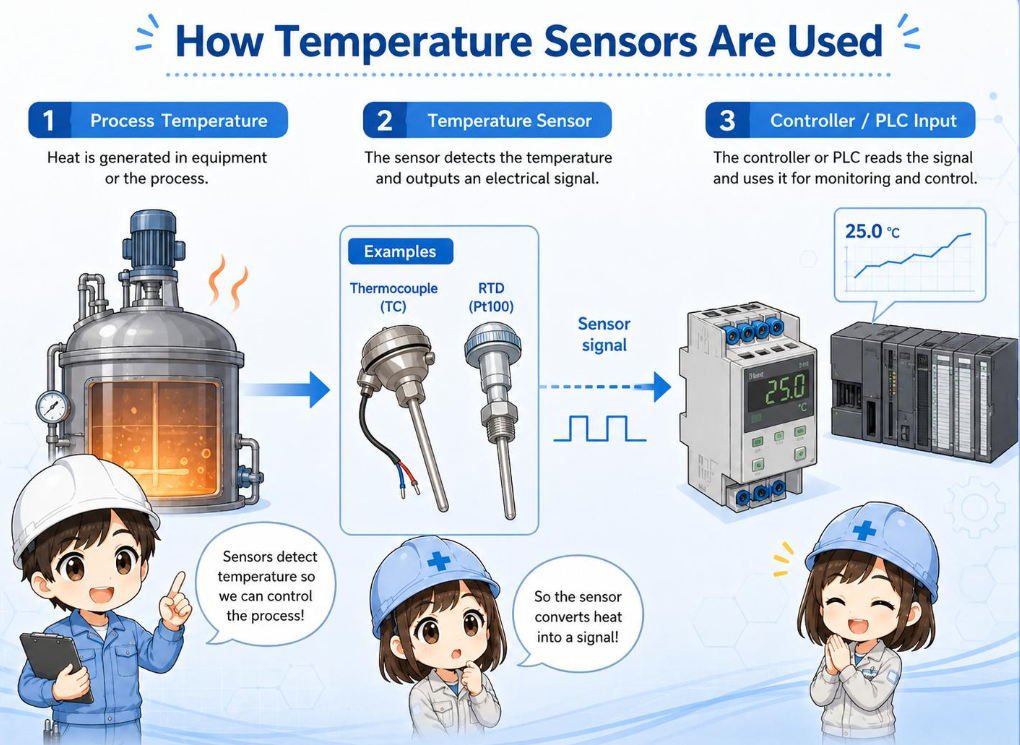
Temperature sensors are used to measure the temperature of equipment, liquids, gases, materials, and surrounding environments. They are essential for thermal process control, equipment protection, energy management, and production quality monitoring.
Common Types of Temperature Sensors
| Sensor Type | Working Principle | Typical Characteristics |
|---|---|---|
| RTD (Resistance Temperature Detector) | Measures temperature based on the resistance change of a metal element | High accuracy, good stability, suitable for process measurement |
| Thermocouple | Measures temperature based on the thermoelectric voltage generated between dissimilar metals | Wide temperature range, suitable for high-temperature applications |
| Thermistor | Measures temperature through the resistance change of semiconductor materials | High sensitivity, commonly used for localized temperature monitoring |
Industrial Applications
- Industrial furnaces and heat treatment equipment
- Boilers and heat exchangers
- HVAC and building management systems
- Food processing and pharmaceutical production
- Motor, bearing, and electrical equipment monitoring
- Chemical reactors and thermal process systems
Engineering Example: Motor Temperature Monitoring
In an industrial water circulation system, electric motors may experience temperature increases due to overload, insufficient cooling, or abnormal operating conditions.
RTD temperature sensors can be installed in motor windings or designated monitoring points. The temperature signal is transmitted to a PLC or motor control system. When the measured temperature exceeds a predefined alarm threshold, the system generates an alarm. If the temperature reaches a protection limit, the control system may initiate a shutdown according to the configured protection logic.
Engineering value: Early detection of abnormal temperature increases helps reduce the risk of motor overheating, insulation damage, and unplanned downtime.
2. Pressure Sensors
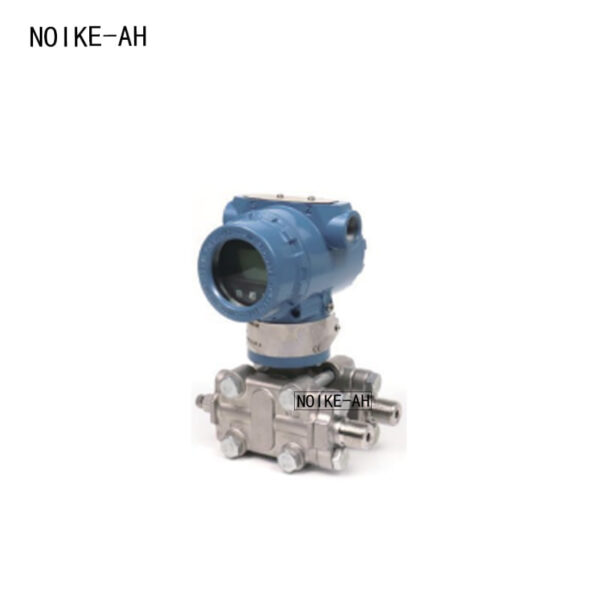
Pressure sensors measure the pressure of liquids or gases and convert pressure changes into electrical signals for monitoring or control. Common industrial output signals include 4–20 mA, 0–10 V, 0–5 V, and RS485, depending on the sensor design and application requirements.
Common Types of Pressure Measurement
- Gauge Pressure: Measures pressure relative to atmospheric pressure.
- Absolute Pressure: Measures pressure relative to absolute vacuum.
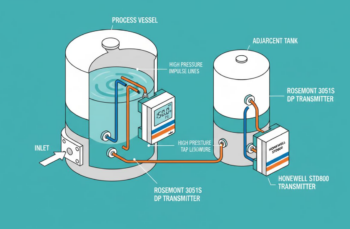
- Differential Pressure: Measures the pressure difference between two points.
Industrial Applications
- Oil, gas, and chemical pipelines
- Water treatment and water supply systems
- Air compressors and pneumatic systems
- Hydraulic machinery
- HVAC systems
- Filter differential pressure monitoring
- Pump and process pressure monitoring
Engineering Example: Filter Clogging Monitoring
In an industrial filtration system, contaminants gradually accumulate inside the filter element, increasing resistance to fluid flow.
Pressure measurement points are installed upstream and downstream of the filter. A differential pressure transmitter monitors the pressure difference across the filter. When the differential pressure exceeds a preset threshold, the PLC generates a maintenance alarm, indicating that the filter element may need cleaning or replacement.
Engineering value: Differential pressure monitoring supports preventive maintenance, helps maintain filtration efficiency, and reduces the risk of abnormal system operation.
3. Level Sensors
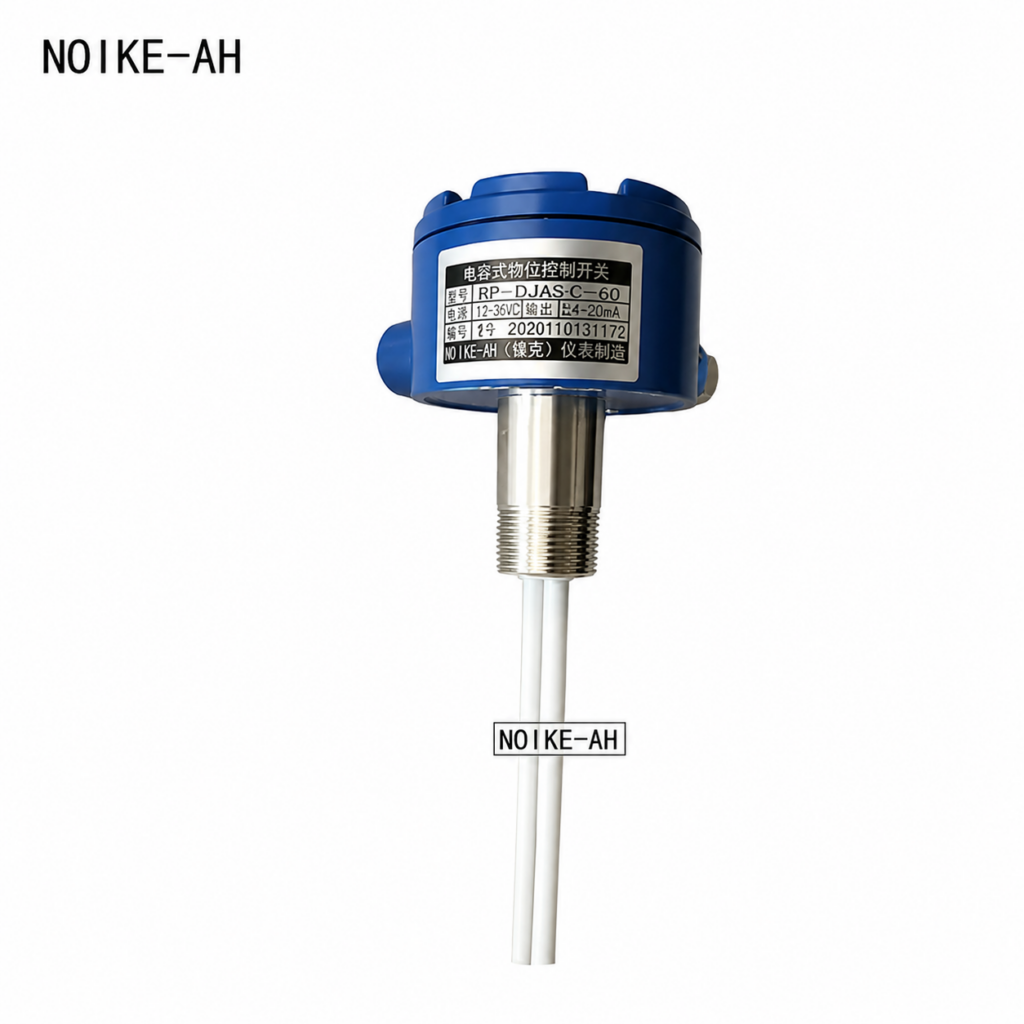
Level sensors are used to detect or continuously measure the level of liquids, powders, granules, and other materials inside tanks, vessels, silos, and process equipment.
Depending on the measurement method, level sensors can be classified into continuous level measurement devices and point-level detection devices.
Common Types of Level Sensors
| Sensor Type | Working Principle | Typical Applications |
|---|---|---|
| Radar Level Sensor | Uses electromagnetic waves to measure the distance to the material surface | Liquid tanks, process vessels, and selected bulk solids applications |
| Ultrasonic Level Sensor | Measures distance using the travel time of reflected sound waves | Water tanks, wastewater systems, and non-contact level monitoring |
| Hydrostatic Level Sensor | Determines liquid level from hydrostatic pressure | Water tanks, wells, reservoirs, and liquid storage systems |
| Float Level Switch | Detects level changes through the movement of a float | Pump control, high-level alarms, and low-level protection |
Industrial Applications
- Water and wastewater treatment
- Chemical storage tanks
- Food and beverage production
- Fuel and oil storage
- Powder and granular material silos
- Industrial liquid supply and drainage systems
Engineering Example: Automatic Water Level Control
A wastewater collection tank requires automatic level control to prevent overflow and protect pumps from dry running.
A level sensor continuously monitors the water level and transmits the signal to a PLC. The PLC starts or stops the drainage pump according to predefined level settings. An additional high-level alarm can be configured to notify operators when the water level approaches the maximum allowable limit.
Engineering value: Automatic level control reduces manual inspection, improves pump operation, and helps prevent overflow and dry-running conditions.
4. Flow Sensors
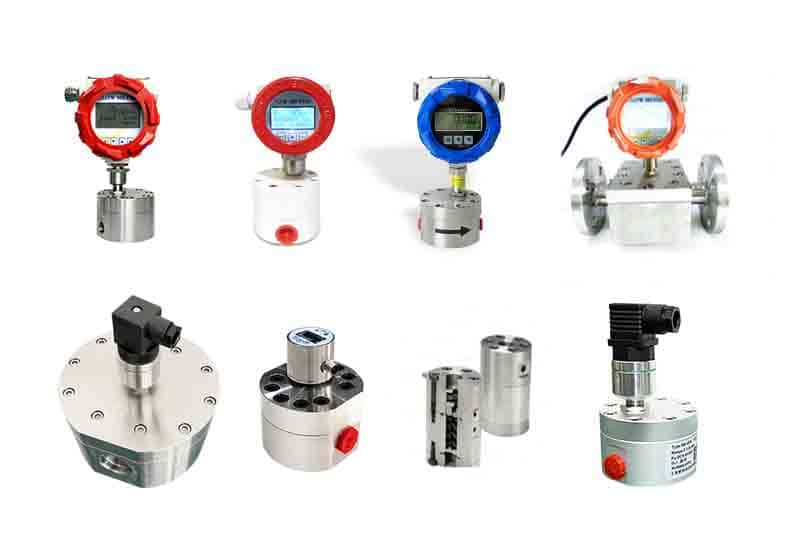
Flow sensors are used to measure the flow rate of liquids or gases through pipelines and process systems. Depending on their operating principle, they can measure volumetric flow rate, velocity, or mass flow rate.
Flow measurement is essential for process control, fluid consumption monitoring, energy management, batching, and production optimization.
Common Types of Flow Sensors
| Flow Sensor Type | Working Principle | Typical Applications |
|---|---|---|
| Electromagnetic Flow Meter | Uses electromagnetic induction to measure the flow of conductive liquids | Water, wastewater, conductive chemical liquids |
| Vortex Flow Meter | Detects vortex shedding frequency generated by fluid passing a bluff body | Steam, gases, and compatible liquids |
| Turbine Flow Meter | Measures flow based on rotor rotation caused by fluid movement | Clean liquids, fuel, water, and process fluids |
| Ultrasonic Flow Meter | Uses ultrasonic propagation time differences or related ultrasonic techniques to determine flow | Water, industrial liquids, and selected gas applications |
| Gear Flow Meter | Measures flow through the rotation of precision gears driven by the fluid | Low-flow liquid measurement, oils, and certain viscous fluids |
Industrial Applications
- Industrial cooling water systems
- Chemical liquid transfer
- Gas and compressed air systems
- Food and beverage processing
- Additive and chemical dosing
- Energy consumption monitoring
- Pump and fluid distribution systems
Engineering Example: Liquid Additive Flow Control
A manufacturing process requires a liquid additive to be continuously injected into a main fluid at a controlled flow rate. Incorrect additive quantities may affect the final product quality.
A flow sensor is installed in the additive pipeline to measure the actual flow rate. The measured signal is transmitted to a PLC, which adjusts a metering pump or control valve according to the target flow rate.
This arrangement enables closed-loop flow control and helps maintain a consistent additive ratio during production.
Engineering value: Improves dosing consistency, reduces material waste, and supports repeatable production quality.
5. Position and Proximity Sensors
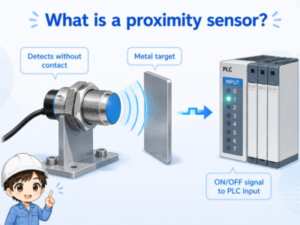
Position and proximity sensors detect the presence, position, movement, or approach of objects without necessarily requiring physical contact. They are widely used in automated machinery, assembly lines, robotics, packaging equipment, and industrial motion systems.
Common Types of Position and Proximity Sensors
- Inductive Proximity Sensors: Primarily detect metallic objects using an electromagnetic field.
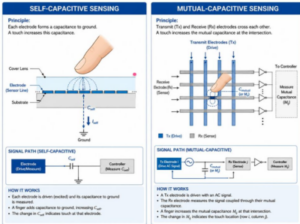
- Capacitive Proximity Sensors: Detect metallic and non-metallic objects, depending on the sensing material and operating conditions.
- Photoelectric Sensors: Detect objects using transmitted, reflected, or interrupted light.
- Magnetic Sensors: Detect magnetic fields or the position of magnetic targets.
Industrial Applications
- Automated assembly lines
- Machine positioning and detection
- Conveyor and packaging systems
- Robotic gripping and positioning
- Industrial door position detection
- CNC machines and machining equipment
Engineering Example: Workpiece Position Detection on an Assembly Line
An automated assembly machine needs to confirm that a metal workpiece has reached the correct station before the next operation begins.
An inductive proximity sensor is installed near the positioning point. When the metal workpiece enters the sensor’s detection range, the sensor generates an output signal. The PLC receives the signal and activates the clamping mechanism.
If the workpiece is not detected, the machine can pause the next operation to prevent incorrect positioning, empty clamping, or processing errors.
Engineering value: Improves positioning reliability, reduces mechanical operation errors, and helps prevent workpiece damage.
6. Light Sensors
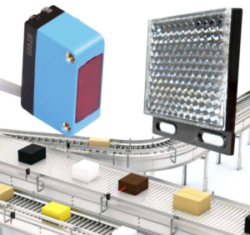
Light sensors detect changes in light intensity, reflected light, transmitted light, or optical signals. They are used for object detection, counting, light monitoring, and automatic control in industrial environments.
Common Types of Light Sensors
| Sensor Type | Working Principle | Typical Applications |
|---|---|---|
| Photoelectric Sensor | Detects objects through changes in emitted or received light | Object detection, counting, conveyor systems |
| LDR (Light-Dependent Resistor) | Resistance changes according to light intensity | Light sensing and simple automatic lighting control |
| Photodiode | Converts light into electrical current | Optical measurement and light detection |
| Phototransistor | Uses incident light to control electrical conduction | Optical switching and light-sensitive detection |
Industrial Applications
- Automated packaging and sorting
- Product counting
- Ambient light monitoring
- Automatic lighting systems
- Label and print inspection
- Conveyor object detection
Engineering Example: Product Counting on a Packaging Line
On a packaging line, products move continuously along a conveyor and must be counted before entering the packaging station.
A photoelectric sensor is installed at the detection point. When a product passes through and interrupts or changes the light beam, the sensor generates an output signal. The PLC counts each valid detection event and calculates the number of products passing through the station.
Proper sensor positioning, response time, and signal processing help reduce missed counts and repeated counting.
Engineering value: Automates product counting, improves packaging efficiency, and reduces errors associated with manual counting.
7. Speed and Motion Sensors
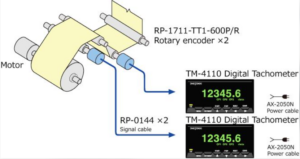
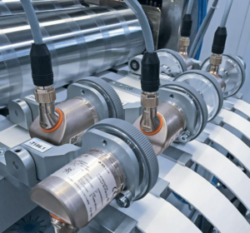
Speed and motion sensors are used to monitor rotational speed, movement direction, displacement, and operating status of mechanical equipment. They provide feedback signals for motor control, motion synchronization, production speed monitoring, and equipment condition monitoring.
Common Types of Speed and Motion Sensors
- Rotary Encoder: Converts shaft rotation into electrical pulses or digital signals for position, speed, and direction measurement.
- Tachometer: Measures rotational speed, commonly used for motors, fans, pumps, and rotating machinery.
- Hall Effect Speed Sensor: Detects changes in magnetic fields to monitor rotational or linear movement.
- Incremental Encoder: Generates incremental pulses corresponding to movement, allowing speed and position changes to be calculated.
Industrial Applications
- Motor drive systems
- Conveyor belts and production lines
- Fans, pumps, and compressors
- Industrial robots
- CNC machines and motion control systems
- Rotating machinery monitoring
Engineering Example: Conveyor Speed Feedback Control
An automated production line requires the conveyor belt to maintain a stable operating speed to ensure consistent product spacing and production timing.
An encoder is installed on the motor shaft or conveyor drive shaft. The encoder generates pulses as the shaft rotates. The control system calculates the actual speed and compares it with the target speed.
The PLC or motor drive adjusts the motor output according to the speed deviation to maintain the required conveyor speed.
Engineering value: Improves production cycle consistency, maintains stable material transportation, and reduces process errors caused by speed fluctuations.
8. Force and Weight Sensors
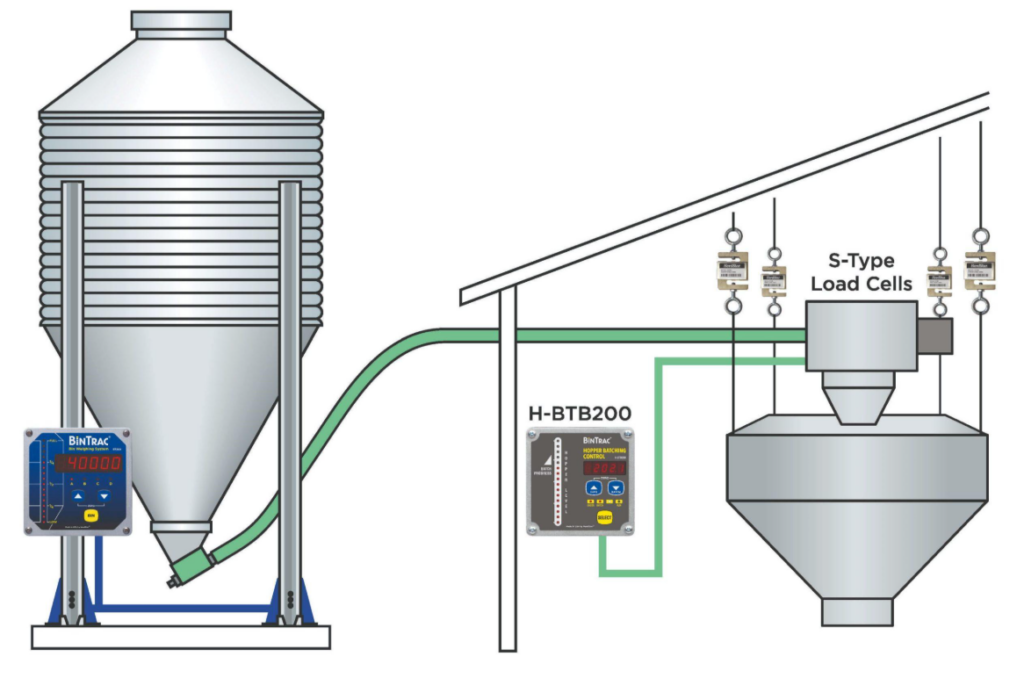
Force and weight sensors are used to measure loads, forces, weight, and mechanical stress. In industrial applications, load cells are among the most commonly used force measurement devices.
Most load cells operate based on strain gauge technology. When a mechanical load is applied, the elastic element deforms slightly, causing a change in the resistance of the strain gauges. This resistance change is converted into an electrical signal proportional to the applied load.
Common Types of Force and Weight Sensors
- Strain Gauge Load Cell: Measures load based on resistance changes in strain gauges attached to an elastic element.
- Compression Load Cell: Designed to measure compressive force or weight.
- Tension Load Cell: Used to measure tensile force or suspended loads.
- S-Type Load Cell: Suitable for tension and compression measurement, commonly used in suspended weighing and force testing applications.
Industrial Applications
- Industrial weighing scales
- Packaging and filling machines
- Hopper and tank weighing systems
- Mixing and batching equipment
- Logistics and material handling
- Mechanical force and material testing
Engineering Example: Material Weight Control in a Batching System
A chemical or food production process requires different materials to be added to a mixing tank according to a specified recipe.
Load cells are installed beneath the hopper or material container to monitor its weight. As material enters the container, the load cell measures the weight change and sends the signal to the PLC.
When the target weight is reached, the PLC controls the feed valve or conveying equipment to stop material delivery.
Engineering value: Improves batching accuracy, reduces material waste, and helps maintain consistency between production batches.
9. How to Choose the Right Industrial Sensor
Selecting an industrial sensor involves more than comparing measurement ranges or product prices. Engineers need to evaluate the process conditions, measurement requirements, installation limitations, signal interfaces, and compatibility with the control system.
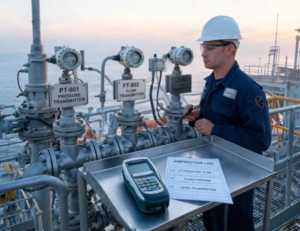
Industrial Sensor Selection Checklist
| Selection Factor | Engineering Considerations |
|---|---|
| Measurement Target | Temperature, pressure, level, flow, position, speed, force, or weight |
| Measurement Range | Normal operating range and possible peak or extreme conditions |
| Accuracy and Repeatability | Required performance for monitoring, measurement, or process control |
| Medium Characteristics | Corrosiveness, viscosity, conductivity, density, particles, and temperature |
| Operating Environment | Humidity, vibration, dust, ambient temperature, and outdoor conditions |
| Output Signal | 4–20 mA, 0–10 V, pulse, PNP/NPN, RS485, or other interfaces |
| Installation Method | Threaded, flanged, insertion, non-contact, or other installation requirements |
| Control System | PLC, DCS, VFD, display, or data acquisition system |
| Safety Requirements | Explosion protection, IP rating, pressure rating, and applicable certifications |
| Maintenance Requirements | Calibration, cleaning, service life, accessibility, and spare parts |
Important: The working principle, accuracy, response time, material compatibility, and installation requirements of a sensor must be verified against the actual operating conditions. Sensors belonging to the same category may have significantly different specifications and performance characteristics.
10. Industrial Sensor Applications Across Different Industries
Industrial sensors play a critical role in manufacturing, process automation, equipment monitoring, and production optimization. Different industries require different combinations of measurement technologies depending on their operating conditions and process requirements.
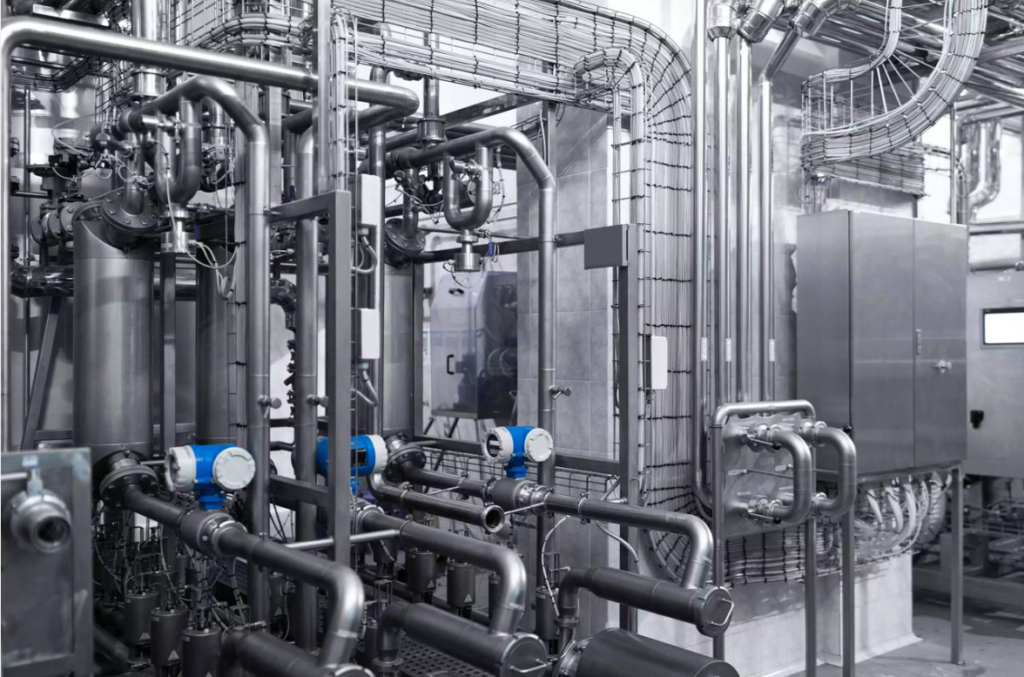
Chemical and Petrochemical Industry
Temperature, pressure, flow, and level monitoring for chemical processes, storage tanks, reactors, and pipeline systems.
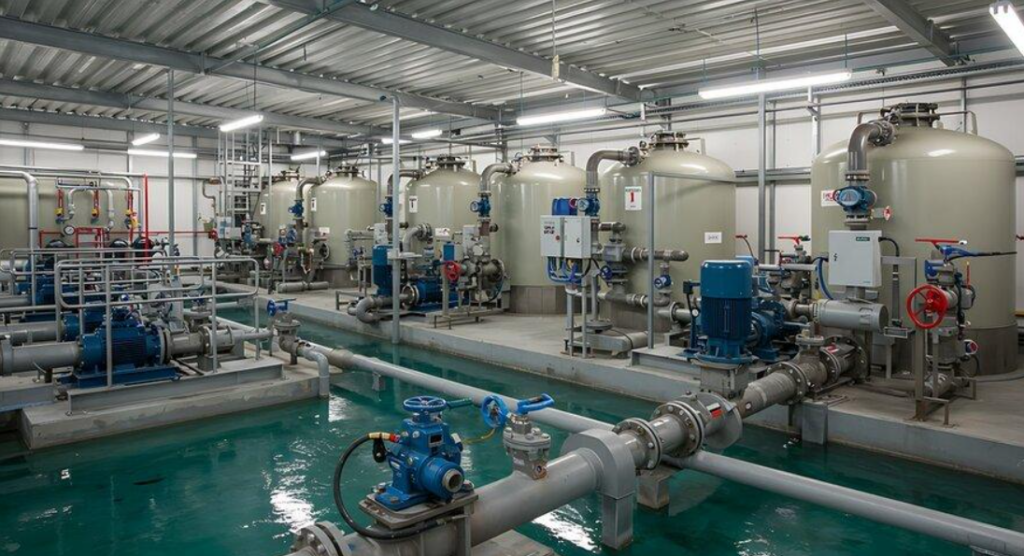
Water and Wastewater Treatment
Pump control, tank level monitoring, flow measurement, and differential pressure monitoring across filtration systems.
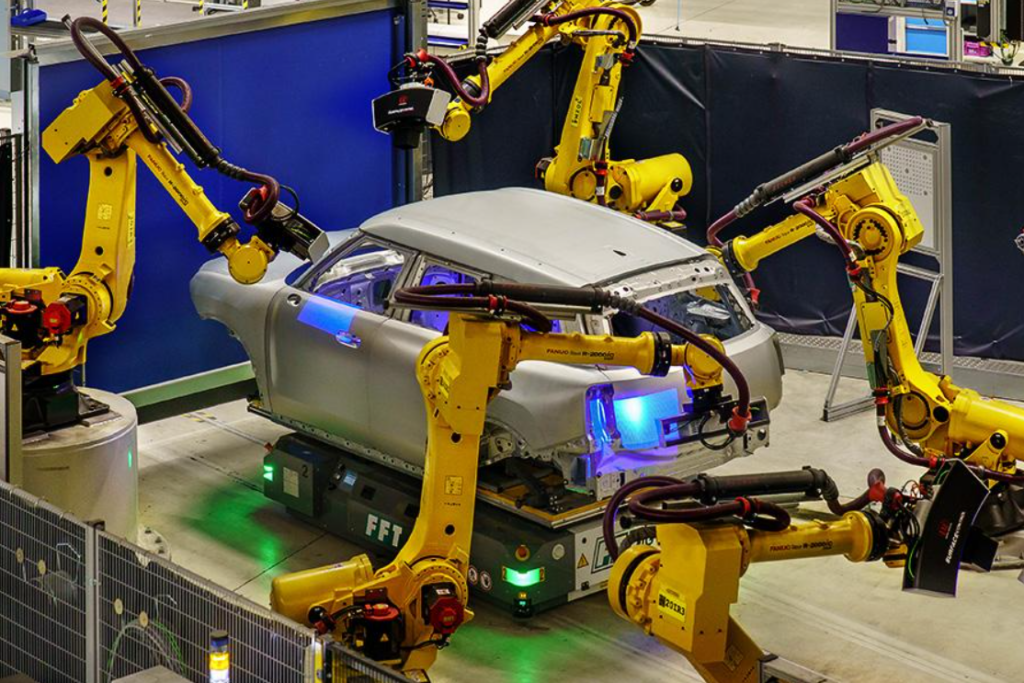
Automotive and Industrial Automation
Workpiece detection, positioning, motion feedback, speed monitoring, and automated assembly process control.
Food and Beverage Industry
Liquid flow monitoring, tank level measurement, temperature monitoring, filling control, and production equipment monitoring.
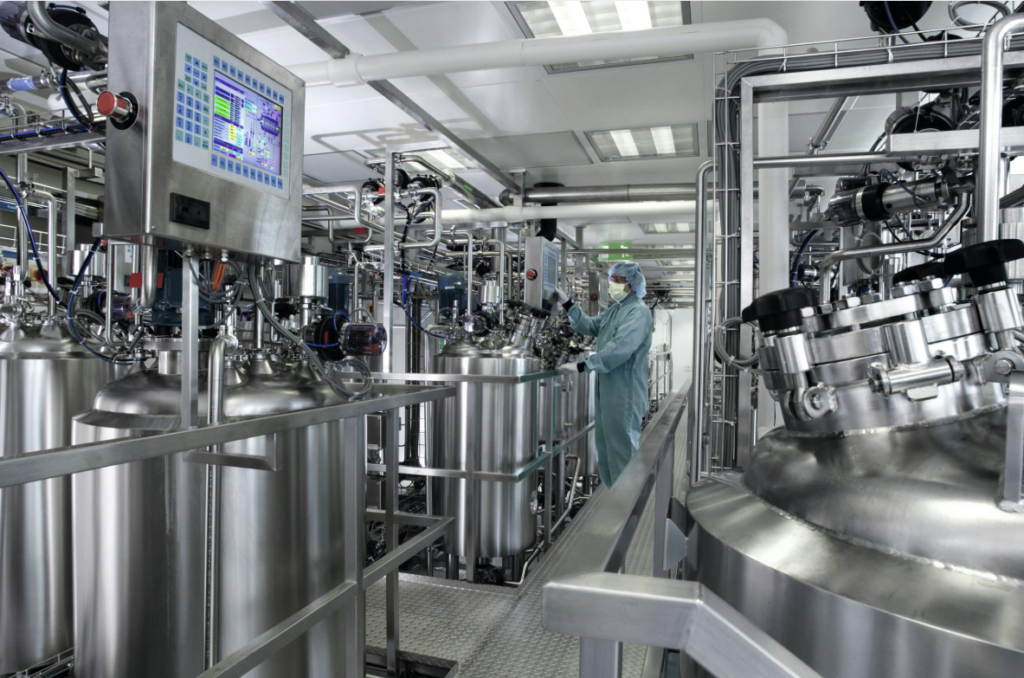
Pharmaceutical Industry
Temperature monitoring, pressure control, fluid measurement, and process equipment monitoring.
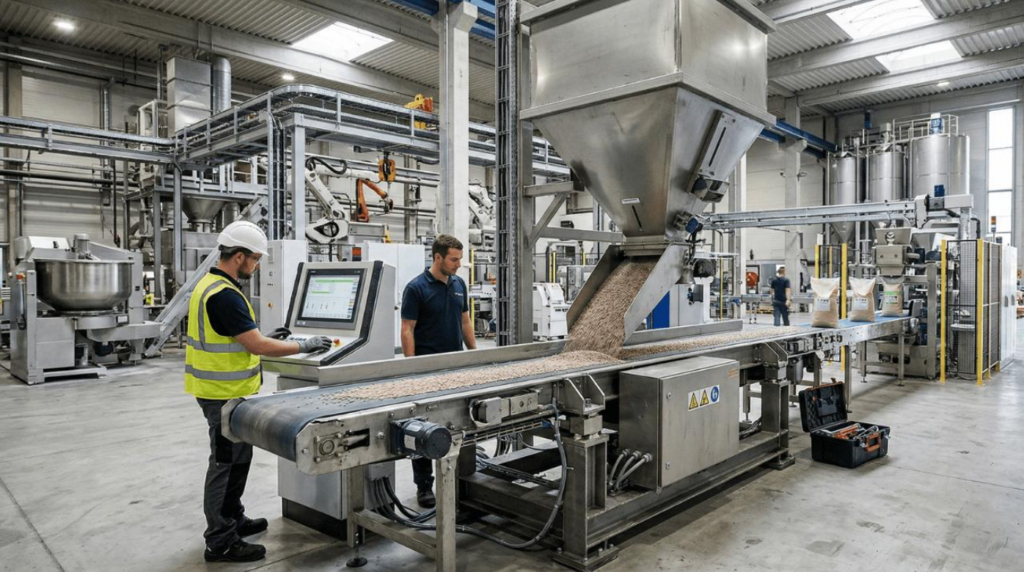
Logistics and Smart Manufacturing
Automated counting, weighing, material positioning, conveyor speed monitoring, and sorting system control.
Industry-to-Sensor Reference Table
| Industry | Commonly Used Sensors | Typical Purpose |
|---|---|---|
| Chemical Processing | Pressure, temperature, flow, level sensors | Process monitoring and control |
| Water Treatment | Flow meters, level sensors, pressure transmitters | Pump operation and water distribution |
| Food & Beverage | Temperature, flow, level, proximity sensors | Filling, processing, and production monitoring |
| Automotive Manufacturing | Proximity, photoelectric, encoder, pressure sensors | Assembly, positioning, and motion control |
| Pharmaceutical | Temperature, pressure, flow, level sensors | Process monitoring and production control |
| Energy & Utilities | Pressure, flow, temperature, speed sensors | Equipment monitoring and energy management |
| Warehousing & Logistics | Photoelectric, load cells, encoders | Counting, weighing, sorting, and handling |
11. Practical Engineering Cases: How Sensors Work Together
In real industrial systems, sensors rarely operate independently. Multiple sensor types are often integrated into a single control system to provide comprehensive process monitoring and equipment protection.
Case 1: Pump Station Monitoring and Protection
Application: Water supply, wastewater treatment, industrial circulation systems
A pump station may require continuous monitoring of pipeline pressure, flow rate, tank level, and motor temperature.
Typical sensor configuration:
- Pressure transmitter — monitors pump discharge pressure.
- Flow meter — monitors pipeline flow rate.
- Level sensor — monitors water level in the tank or sump.
- Temperature sensor — monitors motor or bearing temperature.
- Proximity sensor — monitors equipment position where required.
Control logic example:
- The level sensor detects that the water level has reached the pump start threshold.
- The PLC starts the pump.
- The pressure transmitter and flow meter monitor the pump operating condition.
- If abnormal pressure, low flow, or high temperature is detected, the control system generates an alarm or triggers protection according to the configured logic.
Result: Integrated sensor monitoring improves pump operation visibility and supports more reliable system control.
Case 2: Automated Liquid Filling and Batching System
Application: Food processing, chemical production, packaging lines
A liquid filling system needs to control filling volume or weight while maintaining a consistent production cycle.
Typical sensor configuration:
- Flow sensor — measures the amount of liquid delivered.
- Level sensor — monitors liquid availability in the supply tank.
- Pressure sensor — monitors filling line pressure.
- Photoelectric sensor — detects containers entering the filling station.
- Load cell — verifies filling weight where gravimetric filling is used.
Control logic example:
- The photoelectric sensor detects a container in position.
- The PLC activates the filling valve or pump.
- The flow sensor or load cell monitors the filling quantity.
- When the target quantity is reached, the PLC stops filling.
- The system moves to the next container.
Result: Better filling consistency, improved production efficiency, and reduced product loss.
Case 3: Conveyor-Based Automated Sorting System
Application: Packaging, warehouse automation, manufacturing
An automated sorting line needs to detect products, monitor conveyor movement, and identify when items reach specific sorting locations.
Typical sensor configuration:
- Photoelectric sensor — detects product presence.
- Proximity sensor — confirms mechanical position or detects metal targets.
- Encoder — measures conveyor speed or movement.
- Load cell — measures product weight when weight-based sorting is required.
Control logic example:
- A photoelectric sensor detects a product entering the conveyor.
- The encoder tracks conveyor movement.
- The PLC calculates the product position based on conveyor motion.
- A sorting actuator is triggered at the designated position.
- Additional sensors verify the sorting action where necessary.
Result: More reliable automated sorting, improved throughput, and reduced manual intervention.
12. Frequently Asked Questions (FAQ)
What are the most common types of industrial sensors?
The most common industrial sensors include temperature sensors, pressure sensors, level sensors, flow sensors, proximity sensors, photoelectric sensors, speed sensors, encoders, and load cells. They are widely used for process monitoring, equipment protection, automation, and industrial control.
What is the difference between a sensor and a transmitter?
A sensor detects a physical parameter, such as temperature, pressure, or flow. A transmitter typically converts the detected measurement into a standardized output signal, such as 4–20 mA, 0–10 V, or a digital communication signal, for transmission to a PLC, DCS, or monitoring system.
Some industrial products integrate the sensing element, signal conditioning, and transmitter functions into a single device.
Which sensors are commonly used in PLC systems?
Common PLC-connected sensors include pressure transmitters, temperature transmitters, flow meters, level sensors, proximity sensors, photoelectric sensors, encoders, and load cells with compatible signal conditioning.
Depending on the application, sensors may use analog signals, digital switching outputs, pulse signals, or industrial communication protocols.
Which sensor is suitable for measuring liquid flow?
The appropriate flow sensor depends on the liquid properties, flow range, pipeline conditions, measurement accuracy, and installation requirements.
For example:
- Electromagnetic flow meters are suitable for conductive liquids.
- Turbine flow meters are commonly used for compatible, relatively clean liquids.
- Vortex flow meters are used in suitable liquid, gas, and steam applications.
- Ultrasonic flow meters can measure flow without direct contact with the fluid in certain configurations.
- Gear flow meters are suitable for selected low-flow liquid applications requiring precise measurement.
How do I choose a sensor for an industrial application?
Start by identifying the physical parameter to be measured, the operating range, the medium characteristics, the required accuracy, the installation conditions, the output signal, and the control system requirements.
The sensor should be selected based on actual operating conditions rather than product specifications alone.
Why are sensors important in industrial automation?
Sensors provide real-time measurement and feedback signals to control systems. Without reliable sensor data, automated equipment cannot accurately monitor process conditions, regulate operation, detect abnormalities, or perform many automated tasks.
13. Conclusion
Industrial sensors are the foundation of modern measurement, process control, and automation systems. From temperature and pressure monitoring to flow measurement, level control, object detection, speed feedback, and weight measurement, each sensor plays a specific role in improving industrial operation.
Choosing the right sensor requires a clear understanding of the measurement target, operating conditions, required performance, signal interface, and installation environment.
In practical engineering, the most reliable sensor solution is not necessarily the most complicated or expensive one. It is the sensor that matches the actual application, provides stable and dependable measurement data, and integrates effectively with the overall control system.
Reliable measurement starts with the right sensor—and the right sensor starts with understanding the application.
Need the Right Sensor for Your Industrial Application?
Whether you need to measure temperature, pressure, level, flow, position, or other process parameters, selecting the right sensor is essential for reliable measurement and efficient process control.
NOIKE-AH provides industrial measurement and instrumentation solutions for a wide range of applications.
Contact our team to discuss your measurement requirements, operating conditions, and sensor selection needs.
Email: [email protected]
Related Pages:
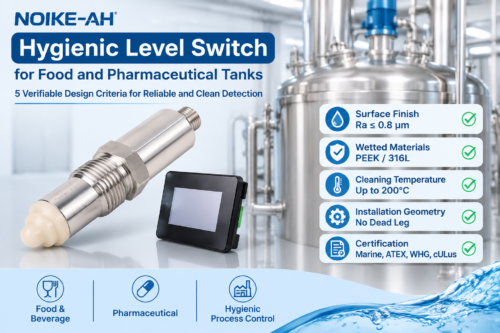
Hygienic Level Switch: 5 Design Criteria for Food & Pharma
How to Choose a Gear Flow Meter for Resin, Glue and Two-Part Coating Dosing: A Selection