
Thermal Flow Switch
In Malaysia’s industrial market, reliable flow monitoring is essential for keeping pumps, cooling circuits, water treatment systems, process utilities and production lines operating safely. From water and wastewater treatment plants to palm oil processing, food and beverage production, HVAC systems, chemical plants and oil and gas related facilities, many applications require a simple but dependable signal to confirm whether liquid or gas flow is present.
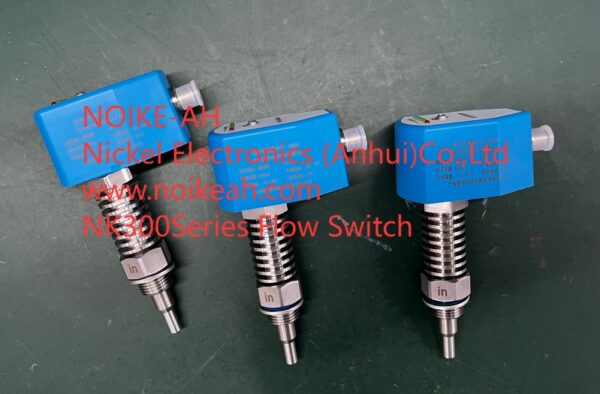
A NOIKE-AH Thermal Flow Switch is designed for this type of industrial flow monitoring task. Unlike a flow meter, which is used to measure and display an exact flow rate, a thermal flow switch is mainly used to detect flow status, low flow or no-flow conditions. This makes it suitable for alarm, interlock, dry-run protection and equipment safety functions.
For Malaysian factories and engineering projects, selecting the right thermal flow switch Malaysia solution can help reduce unexpected shutdowns, protect pumps and improve maintenance efficiency. The no moving parts design is especially useful in applications where mechanical flow switches may be affected by wear, sticking, vibration or debris.
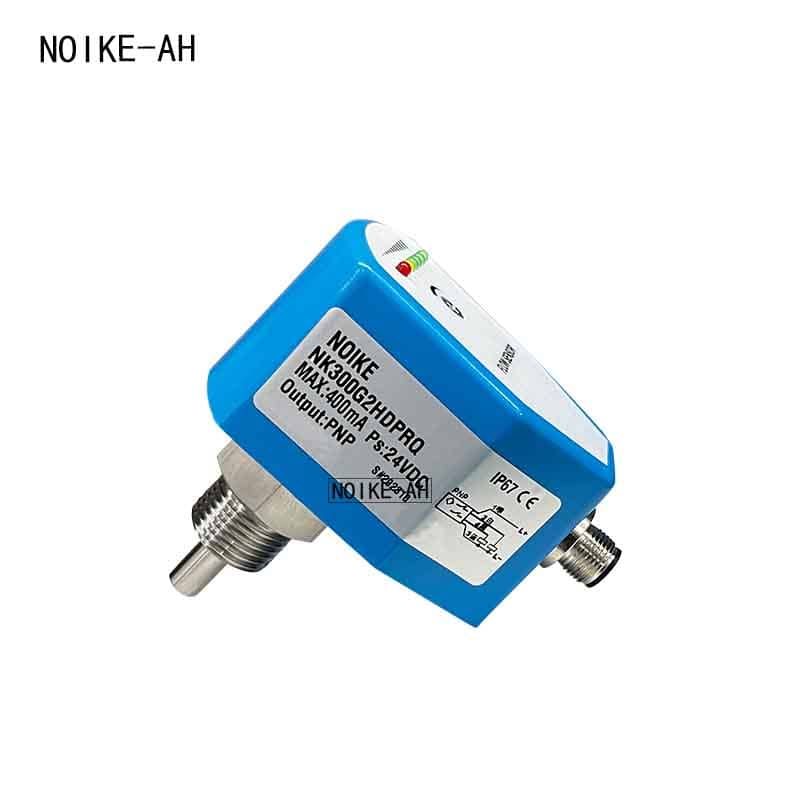
What Is a Thermal Flow Switch?
A thermal flow switch, also known as a thermal dispersion flow switch, is an industrial flow switch that detects the movement of a medium by monitoring heat transfer from a heated sensor element to the flowing liquid or gas.
When the medium is flowing, it carries heat away from the sensor tip. When the flow slows down or stops, less heat is removed. The electronics inside the switch evaluate this temperature change and convert it into a switching signal. This signal can be sent to a PLC, relay, alarm panel, pump control system or local indicator.
The main function of a thermal flow switch is not to provide high-accuracy flow measurement. Instead, it is used to confirm whether flow is available, insufficient or interrupted.
For industrial users searching for a flow switch Malaysia solution, the NOIKE-AH thermal flow switch is suitable for applications where a stable ON/OFF signal is required for process protection, cooling water confirmation, pump interlock or low-flow alarm.
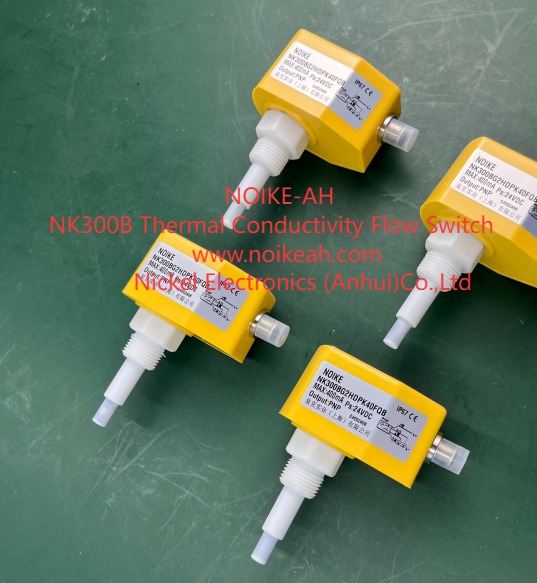
How a Thermal Flow Switch Works
The operating principle of a thermal flow switch is based on heat transfer. A typical sensor probe contains a heated element and a temperature reference element. When power is supplied, the sensing element is heated. As liquid or gas flows across the probe, the flowing medium removes heat from the sensor. The higher the flow velocity, the stronger the cooling effect.
The switch electronics compare the temperature behavior of the heated sensor and reference sensor. If the cooling effect is strong enough, the device recognizes that flow is present. If the cooling effect drops below the set point, the switch changes state and sends an alarm or control signal.
In practical terms, this means a thermal dispersion flow switch can be used to detect:
- Normal flow
- Low flow
- No flow
- Cooling water failure
- Pump dry-run risk
- Interrupted process flow
- Insufficient utility flow
Because the sensing principle is electronic and thermal, there is no paddle, vane, piston or turbine that must be physically pushed by the fluid. This is the key reason why a no moving parts flow switch can offer good service life and reduced mechanical maintenance compared with traditional mechanical designs.
Why Thermal Flow Switches Are Suitable for Malaysia Industries
Malaysia has a diverse industrial base, with strong activity in water treatment, food and beverage, palm oil, specialty chemicals, petrochemical processing, HVAC, utilities and oil and gas related services. These industries often operate in environments where equipment must withstand humidity, high ambient temperature, washdown conditions, dust, process vapour, chemical exposure or continuous operation.
In such conditions, simple and robust flow detection is important.
A NOIKE-AH thermal flow switch is suitable for Malaysia industrial applications because it provides a practical balance between reliability, cost effectiveness and ease of integration. It can be used as an industrial flow switch in both new projects and retrofit installations, especially where the customer needs a compact device for PLC input, alarm output or pump protection logic.
For example, a Malaysian water treatment plant may need to confirm that water is flowing through dosing lines, cooling loops or filtration systems. A palm oil processing facility may need flow confirmation for utility water or process support systems. A factory HVAC system may need a flow signal to protect chillers, heat exchangers or pumps. A chemical facility may require low-flow detection for safe operation of auxiliary lines.
In these cases, the flow switch does not need to replace a flow meter. Instead, it provides a clear status signal: flow is present, or flow is below the required set point.
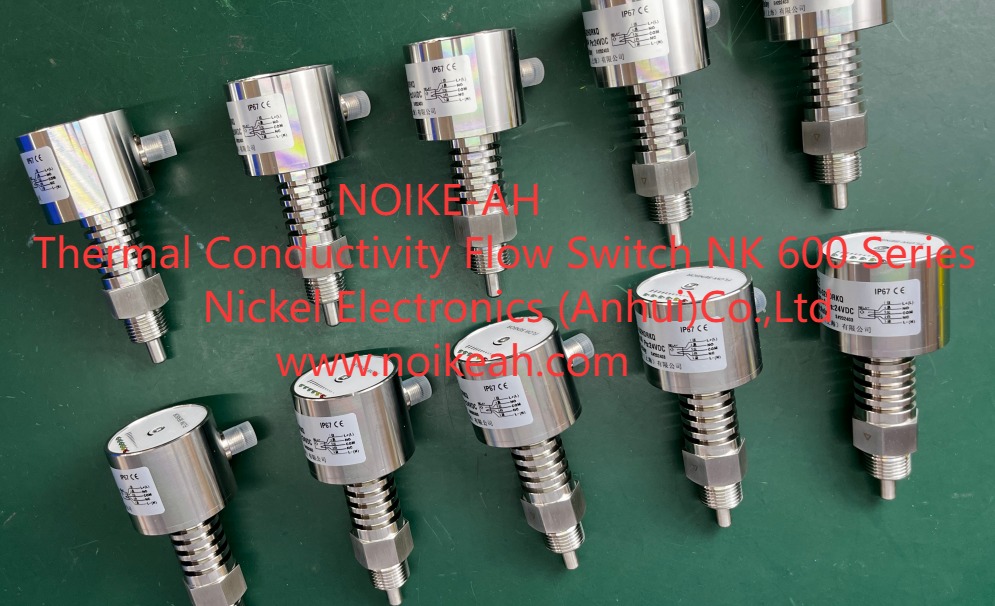
Common Applications in Malaysia
Water and Wastewater Treatment
A water treatment flow switch is commonly used to detect whether water is moving through pumps, filters, dosing systems, cooling lines or recirculation loops. In industrial wastewater treatment systems, flow confirmation can help protect pumps and support stable process operation.
For Malaysia, this is especially relevant because many manufacturing plants operate industrial effluent treatment systems and need reliable equipment monitoring for environmental and operational compliance.
Palm Oil Processing
Palm oil mills and downstream palm oleochemical facilities often use water, steam, cooling systems, transfer pumps and process utilities. A thermal flow switch can be installed on selected utility lines to confirm flow before starting equipment or to trigger alarms when flow drops.
Food and Beverage Production
Food and beverage plants require dependable utility systems for cooling water, cleaning processes, ingredient handling and equipment protection. Thermal flow switches can be used where hygienic design, correct material selection and stable flow detection are required, subject to the process medium and installation conditions.
Chemical and Petrochemical Plants
Chemical and petrochemical sites may involve aggressive fluids, high temperatures, outdoor installations or hazardous areas. For these applications, selection must be based on material compatibility, pressure rating, temperature rating, sealing design, enclosure protection and any required site standards. A thermal flow switch can support flow confirmation for cooling systems, flushing lines, utility supply and selected process lines.
HVAC and Cooling Systems
HVAC systems, chillers, cooling towers and heat exchangers rely on stable water circulation. A flow switch can be used to prove water flow before equipment operation.
Pump Protection
A pump protection flow switch is used to detect low-flow or no-flow conditions that may cause pump damage. When the switch detects insufficient flow, it can send a signal to stop the pump or activate an alarm. This is useful for preventing dry running, overheating and unnecessary mechanical stress.
Industrial Gas and Utility Systems
Thermal flow switches can also be used for selected gas and utility applications, depending on model design, flow range and medium compatibility. For gas applications, the user should verify minimum detectable flow, pressure, temperature, connection type and calibration requirements.
Oil and Gas Related Facilities
Malaysia’s oil and gas related facilities may require flow monitoring in utility, cooling, flushing or auxiliary systems. For such environments, engineering teams should carefully evaluate hazardous area requirements, enclosure type, certification needs and site safety standards before selecting a flow switch.
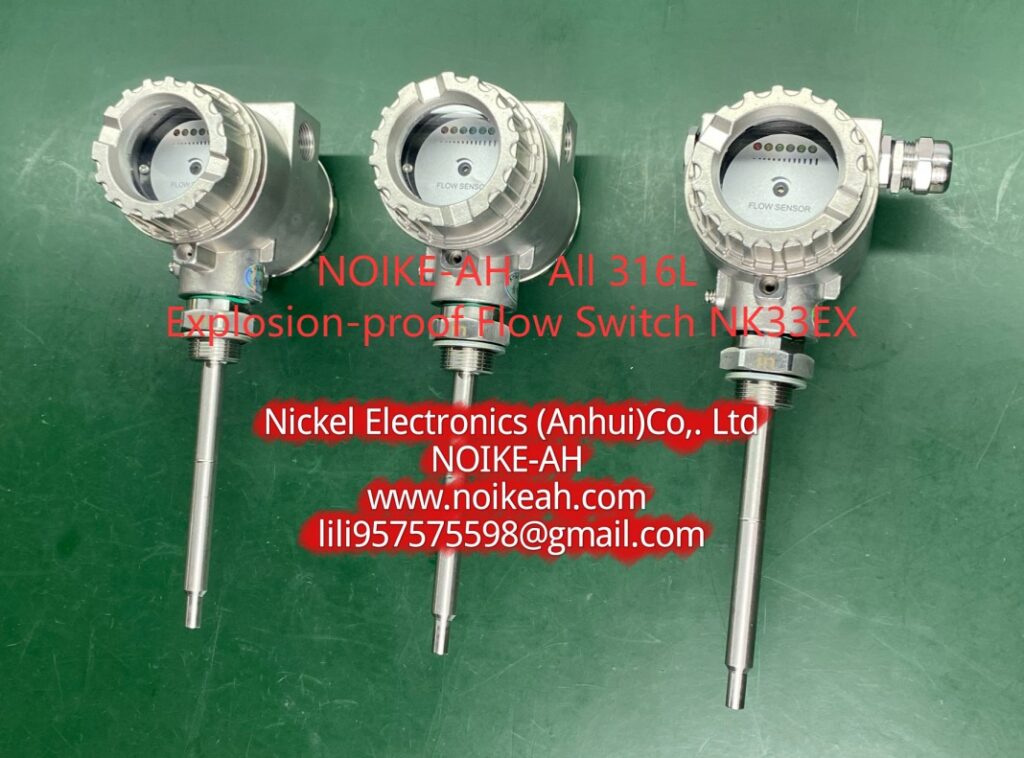
Thermal Flow Switch vs Mechanical Flow Switch
Mechanical flow switches, such as paddle, vane, piston or shuttle designs, rely on the physical force of the fluid to move a mechanical component. When flow is strong enough, the moving part changes position and activates a switch. These devices can be simple and cost effective, but they may be affected by mechanical wear, sticking, debris, corrosion or incorrect installation.
A thermal flow switch works differently. It uses the cooling effect of the moving medium on a heated sensor. Since there is no paddle or vane in the flow path, the device has fewer mechanical wear points.
For Malaysian industrial applications, this difference can be important. Many sites operate in hot, humid and dusty environments. Some systems contain particles, deposits or process residues. In such cases, a no moving parts design can reduce the risk of mechanical blockage and maintenance work.
The main advantages of a NOIKE-AH thermal flow switch compared with many mechanical flow switches include:
- No moving parts in the sensing mechanism
- Reduced risk of mechanical sticking or jamming
- Suitable for low-flow monitoring
- Good for flow/no-flow detection
- Compact installation
- Easy PLC or relay integration
- Useful for pump protection and cooling water monitoring
- Lower maintenance requirement in suitable applications
However, correct selection is still essential. Thermal flow switches are affected by medium properties, temperature, installation position and flow profile. They should be selected according to actual site conditions rather than treated as a universal replacement for every mechanical switch.
Key Selection Factors
When selecting a NOIKE-AH thermal flow switch for Malaysia industrial applications, engineers should consider the following factors.
1. Medium Type
The first question is whether the medium is water, oil, chemical liquid, slurry, air, nitrogen or another gas. Thermal conductivity, viscosity, deposits and particles can influence sensor performance. For corrosive media, the wetted material must be compatible with the process.
2. Pipe Size and Installation Method
The pipe size, flow direction and installation position affect the flow profile at the sensor. Some thermal flow switches are installed by threaded connection, while others may use insertion probes or tee fittings. The probe should be positioned where it can detect representative flow, away from severe turbulence, air pockets or dead zones.
3. Flow Set Point
The required switch point must be clearly defined. The user should know whether the switch is intended to detect complete no-flow, minimum safe flow, cooling water failure or pump dry-run condition. The set point should match the process requirement and should include a reasonable safety margin.
4. Temperature and Pressure
Malaysia industrial plants may operate with high ambient temperature, hot process liquid or outdoor installations. The selected model must be suitable for the process temperature, ambient temperature and line pressure. For high-temperature applications, remote electronics or special construction may be required depending on product design.
5. Material Compatibility
For water and general industrial utilities, stainless steel is commonly used. For chemical, seawater, wastewater or corrosive service, users should verify wetted parts, seals, coating and process connection material. Material selection is especially important in chemical plants, palm oil processing and wastewater treatment environments.
6. Ingress Protection and Environment
Outdoor areas, washdown zones, pump rooms and humid Malaysian industrial sites may require higher enclosure protection. Users should check the IP rating and cable gland arrangement. For wet, dusty or corrosive locations, a robust enclosure and proper installation practice are essential.
7. Power Supply and Output Signal
The flow switch must match the control system. Common requirements may include DC power supply, relay output, transistor output, PNP/NPN output or analog output depending on the model. For PLC integration, confirm input type, wiring logic and fail-safe requirements before installation.
8. Alarm Logic and Response Time
For pump protection, the switch response must be fast enough to protect the equipment but not so sensitive that it causes nuisance trips due to bubbles, temporary turbulence or short flow fluctuations. Engineering teams should consider time delay, hysteresis and commissioning adjustment where available.
9. Process Cleanliness
For dirty water, wastewater or media with particles, the no moving parts design can be useful. However, heavy scaling, sticky deposits or coating on the probe can affect heat transfer. Maintenance planning should include inspection and cleaning based on the process condition.
10. Site Standards and Documentation
For projects in Malaysia, procurement teams may require datasheets, wiring diagrams, material information, certificates, calibration details or installation manuals. For oil and gas or chemical projects, additional documentation and compliance requirements may apply.
Benefits for Plant Operation and Maintenance
A properly selected NOIKE-AH thermal flow switch can provide several practical benefits for Malaysian industrial plants.
First, it helps protect pumps from dry-running or low-flow conditions. Pumps are critical assets in water treatment, cooling systems, chemical dosing and utility circulation. A simple flow switch signal can be integrated into the pump control logic to stop the pump or trigger an alarm when flow is insufficient.
Second, it improves cooling system reliability. In chillers, heat exchangers and cooling water circuits, loss of flow can lead to overheating, poor process control or equipment shutdown. A thermal flow switch provides a direct indication that cooling water is available.
Third, the no moving parts design reduces mechanical maintenance. Since there are no paddles or vanes that must move freely, the risk of mechanical wear or blockage is reduced in suitable applications. This can be useful for facilities where maintenance access is limited or where continuous operation is important.
Fourth, it supports automation and remote monitoring. The switch output can be connected to a PLC, control relay, alarm system or SCADA interface. This makes it easier for factory engineers and maintenance teams to monitor process status and respond to abnormal flow conditions.
Fifth, it offers a practical solution for retrofit projects. Many factories in Malaysia have existing pump skids, water lines, cooling loops or utility systems where full flow measurement may not be necessary. In these cases, a compact industrial flow switch can provide the required protection signal without adding unnecessary complexity.
Conclusion
The NOIKE-AH Thermal Flow Switch is a practical flow monitoring solution for Malaysia industrial applications where reliable flow/no-flow detection is required. By using thermal dispersion technology, it detects the cooling effect of liquid or gas flow across a heated sensor and converts this condition into a switching signal.
For Malaysian industries such as water and wastewater treatment, palm oil processing, food and beverage production, chemical and petrochemical plants, HVAC systems, pump protection, industrial utilities and oil and gas related facilities, a thermal flow switch can help improve equipment protection, maintenance efficiency and process safety.
Compared with many mechanical flow switches, a no moving parts flow switch offers advantages in reduced mechanical wear, low-flow detection and simplified maintenance. However, correct selection remains important. Engineers should evaluate medium type, pipe size, flow set point, pressure, temperature, material compatibility, IP rating, power supply and output signal before choosing a model.
For projects that require a reliable thermal flow switch Malaysia solution, NOIKE-AH can be positioned as a professional option for flow monitoring, pump protection and industrial automation applications.
FAQ
1. What is the main purpose of a thermal flow switch?
The main purpose of a thermal flow switch is to detect whether flow is present, too low or interrupted. It is commonly used for alarm, interlock, pump protection and cooling water monitoring. It is not normally used as a precision flow meter.
2. Can a NOIKE-AH thermal flow switch be used for pump protection?
Yes. A NOIKE-AH thermal flow switch can be used as a pump protection flow switch when the application requires low-flow or no-flow detection. The switch output can be connected to a control panel or PLC to stop the pump or activate an alarm when flow is insufficient.
3. Is a thermal flow switch suitable for water treatment applications in Malaysia?
Yes. A thermal flow switch is suitable for many water and wastewater treatment applications, including pump discharge monitoring, cooling water lines, dosing systems and process water flow confirmation. Material compatibility and installation conditions should be checked before use.
4. What is the advantage of a no moving parts flow switch?
The main advantage is reduced mechanical wear and lower risk of sticking, jamming or breakage compared with paddle or vane type switches. This makes it useful for many industrial applications where long-term reliability and low maintenance are important.
5. How should I choose the right flow switch Malaysia model?
To choose the right model, confirm the medium, pipe size, flow set point, pressure, temperature, material compatibility, installation method, IP rating, power supply and output signal. For harsh environments such as chemical plants, outdoor pump rooms or oil and gas facilities, additional site requirements should also be reviewed.



