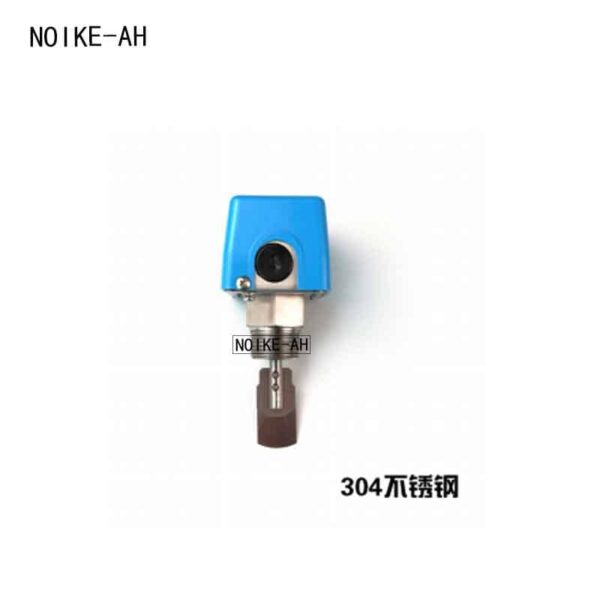
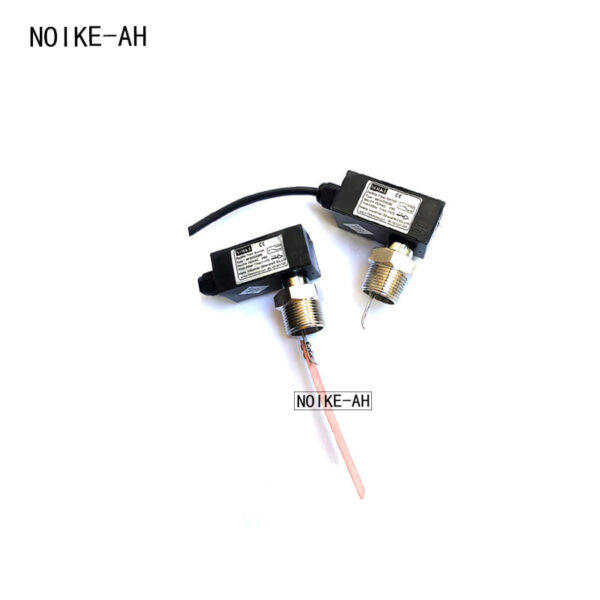
Product Overview
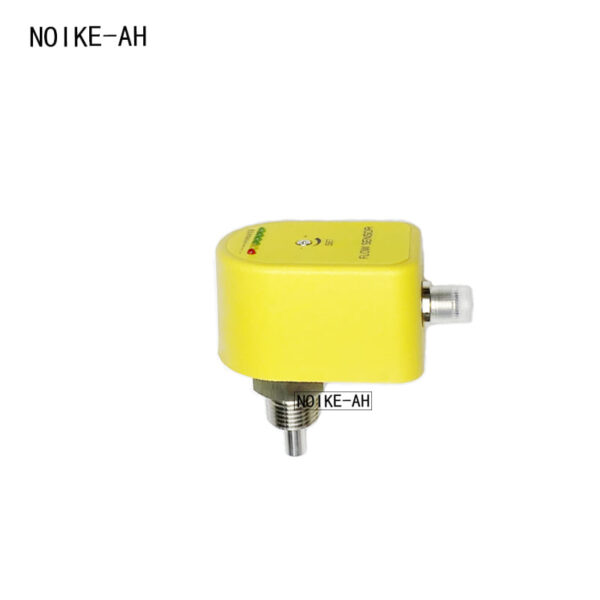
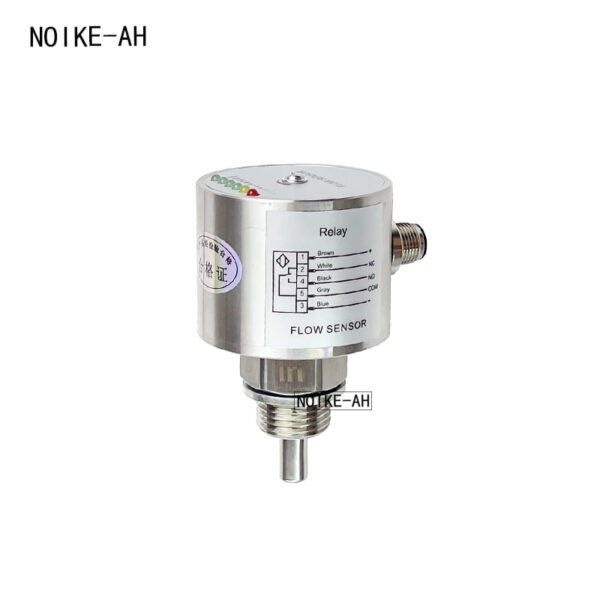
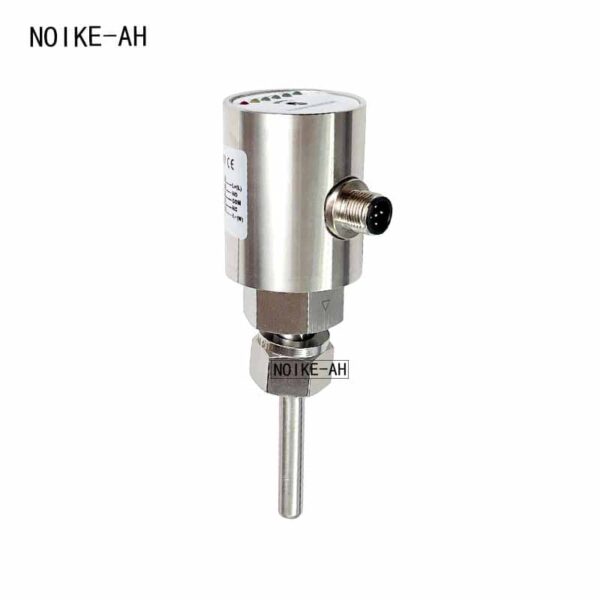
The NOIKE-AH Electronic Flow Switch NK300 is a high-performance thermal dispersion flow sensor designed for reliable monitoring of liquids, oils, and gases (air) in industrial automation systems. Based on advanced thermal mass flow technology, it provides accurate flow detection without moving mechanical parts, ensuring excellent reliability, long service life, and minimal maintenance.
The NK300 is suitable for a wide range of industrial applications including cooling systems, lubrication systems, HVAC equipment, pump protection, compressed air systems, and industrial process control.
Working Principle
The NK300 operates using the thermal dispersion (thermal mass flow) principle.
Inside the sealed stainless-steel probe are two precision resistors:
- One resistor is continuously heated.
- The second resistor measures the actual medium temperature.
When no fluid is flowing, the temperature difference between the two resistors remains constant.
As the medium begins flowing, heat is carried away from the heated resistor. The faster the flow velocity, the greater the heat dissipation and the smaller the temperature difference.
The internal electronics continuously calculate this temperature difference and convert it into a flow signal. Once the preset switching point is reached, the flow switch outputs a switching signal for equipment protection or process control.
Because the sensing element contains no moving parts, the NK300 offers excellent resistance to vibration, contamination, and mechanical wear.
Key Features
- Thermal dispersion sensing technology with no moving mechanical parts
- Suitable for water, oil, and compressed air
- Gas and liquid dual-purpose design
- Adjustable switching point via potentiometer
- 6-LED flow indication for real-time flow status
- Multiple output options: PNP, NPN, Relay (SPDT)
- Reverse polarity, overload, and short-circuit protection
- IP67 protection rating for harsh industrial environments
- High pressure resistance up to 100 bar
- Compact stainless steel probe with durable PBT housing
- Fast response time (typical 2 seconds)
- Maintenance-free operation
Typical Applications
The Electronic Flow Switch NK300 is widely used in:
- Industrial cooling water systems
- Lubrication systems
- Hydraulic systems
- Pneumatic systems
- Pump dry-run protection
- Filter monitoring
- HVAC systems
- Ground-source heat pumps
- Air compressors
- Industrial machinery
- Water treatment equipment
- Process automation
- Cement cooling systems
- General factory automation
Technical Specifications
| Parameter | Specification |
|---|---|
| Measuring Principle | Thermal Dispersion |
| Medium | Water, Oil, Air |
| Flow Setting Range | Water: 1–150 cm/s; Oil: 3–300 cm/s; Air: 20–2000 cm/s |
| Signal Output | PNP / NPN / Relay (SPDT NO+NC) |
| Power Supply | 24V DC ±20% or 230V AC ±15% |
| Maximum Switching Current | 400mA (PNP/NPN); 4A (Relay) |
| No-load Current | ≤80mA |
| Flow Indicator | 6 LEDs |
| Setting Method | Potentiometer |
| Pressure Rating | 100 bar |
| Medium Temperature | -20°C to +80°C |
| Ambient Temperature | -20°C to +80°C |
| Storage Temperature | -20°C to +100°C |
| Temperature Change Rate | ≤4°C/s |
| Response Time | 1–13 s (Typical 2 s) |
| Initialization Time | Approx. 8 s |
| Electrical Protection | Reverse polarity, overload, short-circuit protection |
| Protection Rating | IP67 |
| Electrical Connection | M12 Connector / Direct Cable |
| Probe Material | Stainless Steel |
| Housing Material | PBT |
| Weight | 0.4 kg |
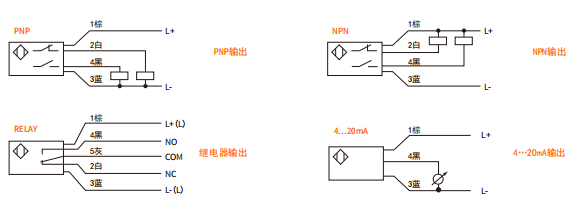
wiring diagram
Size Chart (millimeters)
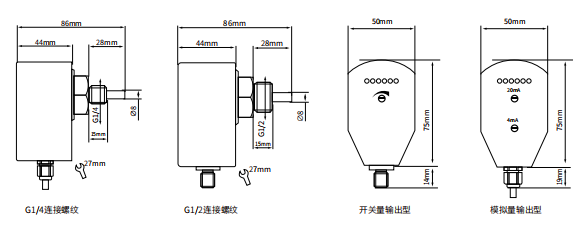
Connect Attachments
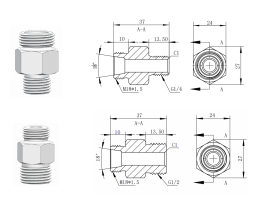
Installation Instructions
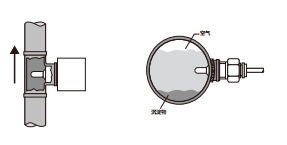
Installation Recommendations
For optimal performance:
- Install the sensor where the pipe remains completely filled with medium.
- Install away from pumps, valves, or elbows where possible to reduce flow turbulence.
- Insert the probe fully into the pipeline to ensure accurate measurement.
- Verify that the flow direction matches the process flow.
- Allow approximately 8 seconds after power-up for sensor initialization before operation.
- Periodically clean the probe when used in contaminated or scaling media.
Advantages of Thermal Dispersion Flow Switches NK300
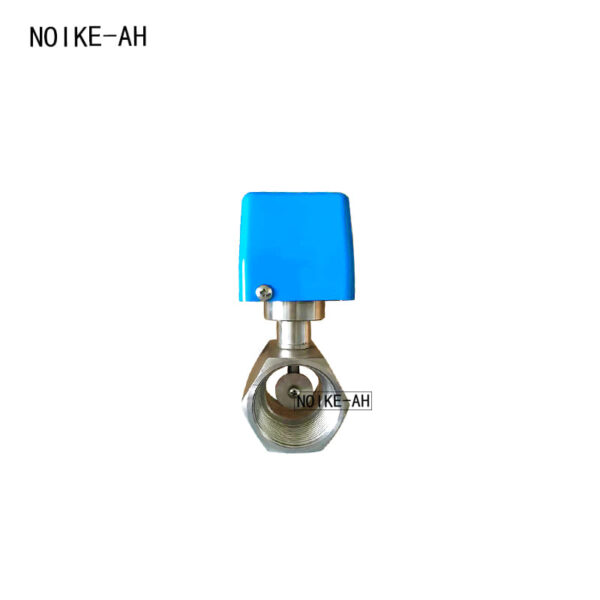
Compared with traditional paddle flow switches, the NK300 provides several advantages:
- No moving parts for longer service life
- Higher reliability and repeatability
- Lower maintenance costs
- Suitable for both gases and liquids
- Minimal pressure loss
- Resistant to vibration and mechanical shock
- Simple installation and commissioning
- Real-time LED flow indication
Industries Served
The NK300 is suitable for numerous industries, including:
- Industrial Automation
- Water Treatment
- HVAC
- Chemical Processing
- Petrochemical
- Food & Beverage
- Pharmaceutical
- Power Generation
- Machinery Manufacturing
- Air Compressor Systems
- Steel Plants
- Cement Plants
- Paper Mills
Frequently Asked Questions (FAQ)
1. What is the working principle of the flow switch NK300?
The NK300 uses thermal dispersion technology, detecting flow by measuring heat transfer between two temperature sensors inside the probe. As flow increases, more heat is removed from the heated sensor, allowing the controller to determine the flow condition.
2. Can the NK300 measure both liquids and gases?
Yes. The NK300 is designed for water, oil, and air, making it suitable for both liquid and gas applications.
3. Does the NK300 require regular maintenance?
Very little. Since there are no moving mechanical parts, maintenance is generally limited to occasional cleaning of the probe in contaminated media.
4. What output options are available?
The NK300 supports:
- PNP output
- NPN output
- Relay output (SPDT, Normally Open + Normally Closed)
5. What is the maximum operating pressure?
The standard NK300 supports pressures up to 100 bar.
6. What protection level does the NK300 provide?
The sensor is rated IP67, providing excellent protection against dust and temporary water immersion.
7. Can the switching point be adjusted?
Yes. The switching threshold can be easily adjusted using the built-in potentiometer.
8. Which industries commonly use the NK300?
Typical industries include water treatment, HVAC, machinery manufacturing, chemical processing, food processing, compressed air systems, industrial cooling, lubrication systems, and pump protection.